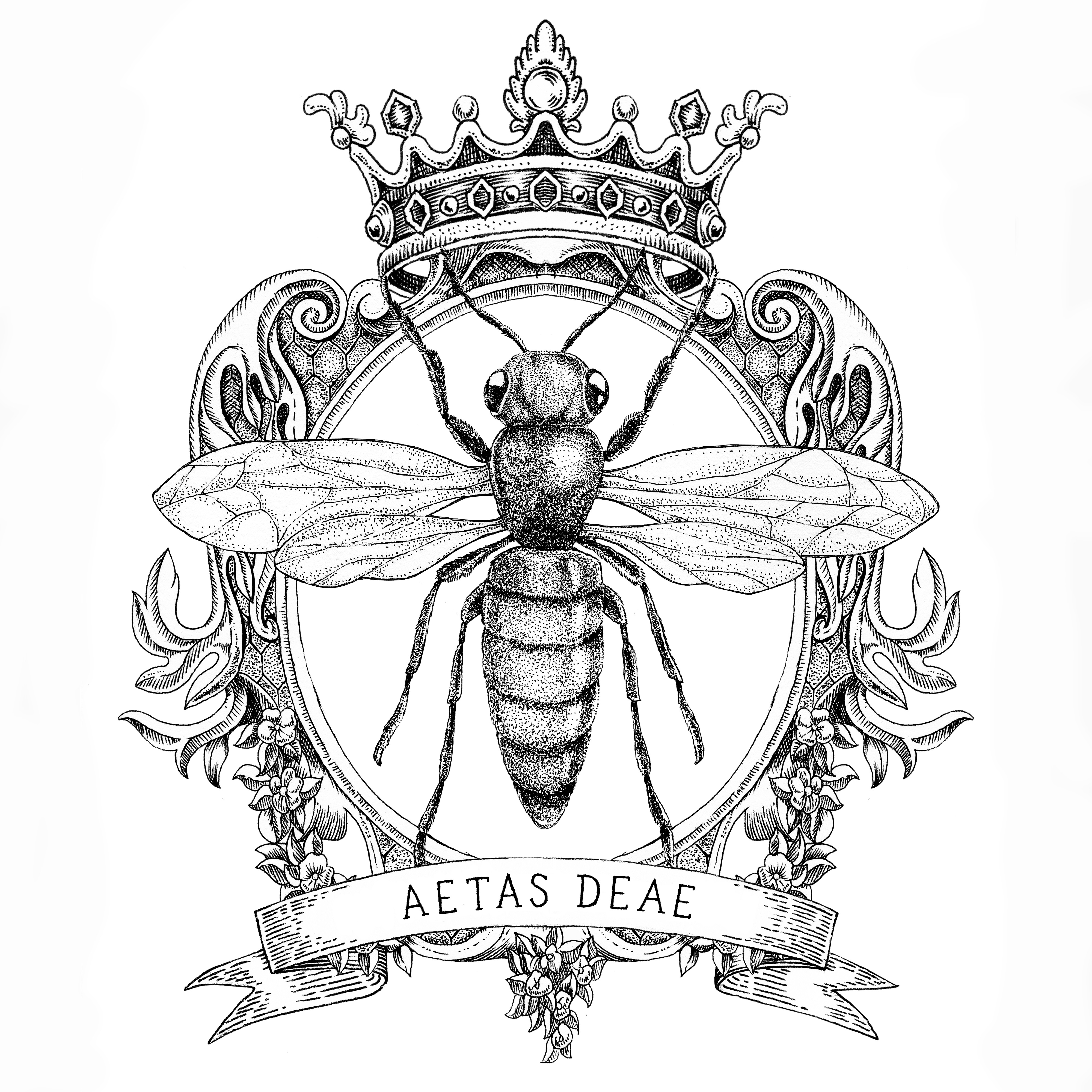

A Foundational Doctrine of Aetas Deae
I. Definition
In Aetas Deae, the Sacred Masculine is not equivalent to men, maleness, or male social identity.
It is an ontological principle: a mode of consciousness oriented toward action, differentiation, commitment, and ethical embodiment.
The Sacred Masculine exists in response to Source.
It is not originary.
It is relational.
This principle may be embodied by people of any gender.
Historically, it has been distorted by patriarchal systems that positioned the Masculine as central rather than responsive.
II. Core Functions of the Sacred Masculine
Within Aetas Deae, the Sacred Masculine performs five essential functions. These functions are healthy only when the Masculine is not placed at the centre.
1. Directional Intelligence
The Sacred Masculine provides direction, not meaning.
He moves:
- toward coherence
- toward alignment
- toward what has already been revealed
This function appears across cultures as:
- Śiva as conscious orientation toward Shakti
- Logos as articulation rather than source
- the Taoist yang responding to yin
- the knightly archetype ordered toward service rather than sovereignty
Direction without source becomes domination.
Direction in service to source becomes integrity.
2. Structure Around Mystery
The Sacred Masculine builds form that can hold depth.
He:
- creates boundaries without constriction
- establishes limits without suppression
- builds vessels rather than claiming ownership
This function is evident in:
- Tantric ritual frameworks governed by the feminine current
- sacred architecture built to honour, not replace, divinity
- legal and ethical systems designed to preserve communal meaning rather than assert control
Structure is not authority.
It is responsibility.
3. Devotion in Motion
The Sacred Masculine expresses devotion through action.
This is not submission in the sense of humiliation or erasure.
It is consecrated effort.
Historically, this appears in:
- devotional paths where masculine practitioners orient toward goddesses
- monastic disciplines ordered toward service rather than transcendence alone
- Indigenous roles in which masculine labour protects ritual space rather than governs it
The Masculine becomes whole not by ruling, but by serving what matters.
4. Protector of the Sacred
In Aetas Deae, protection is not exercised through force or dominance.
The Sacred Masculine protects by:
- refusing corruption
- holding ethical lines
- intervening when coherence is threatened
This is the Masculine as guardian, not conqueror.
Comparable roles appear in:
- temple guardianship traditions
- martial codes bound by spiritual law
- contemporary trauma-informed models where safety is maintained through consistency rather than threat
Protection without integrity becomes violence.
Protection with integrity becomes trust.
5. Embodied Conscience
The Sacred Masculine carries choice into form.
He is the aspect of consciousness that:
- commits
- decides
- acts in time
This function is essential to embodiment.
Without it, insight remains inert.
Across traditions:
- masculine vows function as ethical anchors
- oaths bind action to meaning
- discipline transforms intention into reality
The Sacred Masculine does not generate truth.
He enacts it.
III. The Wounded Masculine
Aetas Deae recognises that much of what presents as masculinity today is wounded rather than sacred.
This wound arises from:
- being placed at the centre rather than in relation
- being tasked with dominance rather than devotion
- being severed from the Feminine as source
When the Masculine is required to generate meaning, sovereignty, and legitimacy, he fractures.
The results are visible:
- compulsive control
- violence and collapse
- nihilism, resentment, or spiritual emptiness
The wounded Masculine does not need more power.
He needs relief from centrality.
IV. Masculinity in a Matriarchal Order
In Aetas Deae, matriarchy is not female domination.
It is corrective ordering.
Within this order:
- the Feminine holds source authority
- the Masculine holds operational responsibility
- value flows from alignment, not from command
This configuration is not punitive.
It is stabilising.
The Sacred Masculine flourishes when:
- he is no longer required to be everything
- his action serves a greater coherence
- his worth is measured by integrity, not conquest
A Masculine freed from centrality becomes capable of joy, devotion, and ethical strength.
V. What the Sacred Masculine Is Not
For clarity, the Sacred Masculine is not:
- dominance
- entitlement
- leadership by default
- emotional suppression
- ownership of women, bodies, or meaning
- the inverse of the Feminine
Nor is he diminished by not being central.
He is liberated.
VI. Structural Role Within Aetas Deae
Within the Aetas Deae system:
- The Sacred Masculine is the agent of embodiment
- He translates revealed truth into lived form
- He supports, protects, and enacts the Feminine order
Without the Feminine, there is no meaning.
Without the Masculine, meaning is not lived.
Their relationship is functional, not hierarchical.
VII. Closing Statement
The Sacred Masculine is not redeemed by power.
He is redeemed by purpose.
He does not ascend by replacing the Feminine.
He matures by orienting toward her.
Aetas Deae holds that the Masculine reaches his fullest expression not at the centre of the system, but in devoted alignment with the source of meaning itself.
This is not loss.
It is completion.
Pingback: Three Women, Three Men, Three Nights: Beyond Fetishism and the Female-Led World